
If this is your first time deciding amongst the finest diamond necklaces, here is the "real talk" guide to getting it right in the first place.
What to Know Before Buying Your First Diamond Necklace?
Before you even step into a store, you need a strategy. The biggest mistake first-time buyers make is walking in without a budget or a priority list. Are you looking for a massive solitaire that makes a statement, or a delicate chain you’ll never take off? Knowing your goal helps you decide where to compromise on the technical specifications.Understanding the 4Cs of Diamonds: Carat, Cut, Clarity, and Color Explained Simply
You’ve likely heard of the 4Cs, but in 2026, the way we weigh them has changed. Here is how to navigate Carat, Cut, Clarity, and Color for your diamond necklaces like a pro:- Cut: This is the most important "C." A diamond's sparkle comes from how well it’s cut, not how big it is. An ideal cut can make a smaller diamond look huge and hide tiny flaws. So, make sure you never compromise on this aspect.
- Color: Diamonds are graded D (colorless) to Z (light yellow). Unless you’re a professional gemologist, you won’t notice the difference between a D and an H. Buying in the G-H range saves you a fortune while still looking icy white.
- Clarity: This measures internal flaws. Don’t pay a premium for flawlessness. Look for “Eye-Clean" stones (usually VS1 to SI1). If you can’t see the flaw without a microscope, it doesn't matter.
- Carat: This is the weight, not necessarily the size. To save money, look for "off-sizes" like 0.90ct instead of a full 1.00ct. They look identical to the eye but cost significantly less.
Choosing a Diamond Necklace That Matches Your Style
Your necklace should fit your life, not sit in a safe. In 2026, the trend is "intentional individuality", i.e. the pieces that feel like they belong to you, not just a trend. Choosing the Right Style and Design for Everyday or Special Occasions- Solitaire Pendants: The solitaire pendants are the ultimate classic. It’s a single diamond on a gold chain and perfect for the office, a gym session (if it’s a bezel setting), or a black-tie event.
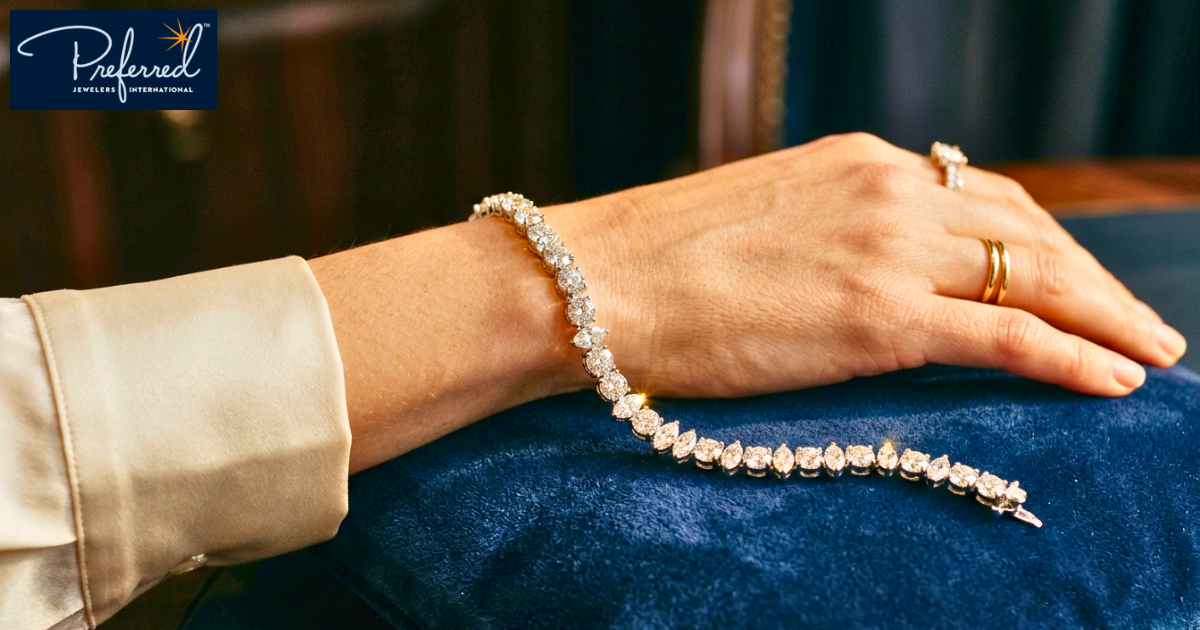
- Tennis Necklaces: These used to be for grandmas, but in 2026, thin diamond collars are huge. They provide a continuous line of sparkle and are surprisingly wearable with a simple white T-shirt.
- Bezel Settings: If you’re active, go for the bezel settings. The metal wraps around the stone, keeping it secure and giving it a modern, clean look.
- Layering Chains: Buying a delicate diamond piece that can be layered with gold chains gives you way more mileage out of your investment.
Selecting the Perfect Metal for Your Diamond Necklace
The metal is the "frame" for your diamond. Selecting the perfect metal depends on your skin tone and how often you'll wear the piece:| Metal | Best For | Vibe Type |
| Yellow Gold | Warm skin tones | Traditional, rich, and currently very "in." |
| White Gold | Cool skin tones | Modern and sleek (requires re-plating every few years). |
| Platinum | Sensitive skin | The "forever" metal. Heavy, durable, and hypoallergenic. |
| Rose Gold | All skin tones | Romantic and soft; hides slight yellow tints in lower-grade diamonds. |
About King Furs & Fine Jewelry
King Furs and Fine Jewelry is a long-standing luxury destination in Memphis, Tennessee, known for its exceptional craftsmanship, personalized service, and unique blend of fine jewelry and luxury furs. With a legacy dating back to 1947, the store has built a strong reputation for quality, trust, and customer satisfaction.
The store offers an extensive collection of diamond engagement rings, wedding bands, certified loose diamonds, lab-grown and natural diamonds, and designer fine jewelry. Customers can also create custom-designed pieces with expert guidance, ensuring every design reflects their personal style and story.
In addition to jewelry, King provides a full range of services including jewelry repair, appraisals, custom design, and specialized fur care and storage. As a member of Preferred Jewelers International, customers benefit from a lifetime nationwide warranty on qualifying purchases—offering added confidence and long-term value.
Conclusion
Your first diamond necklace is a milestone. By focusing on the cut for maximum sparkle and choosing an eye-clean stone, you can get a piece that looks twice its price. Don't get hung up on perfection, look for diamond necklaces that make you feel a little more "put together" the moment you clasp it. For more such information, subscribe to our blogs.